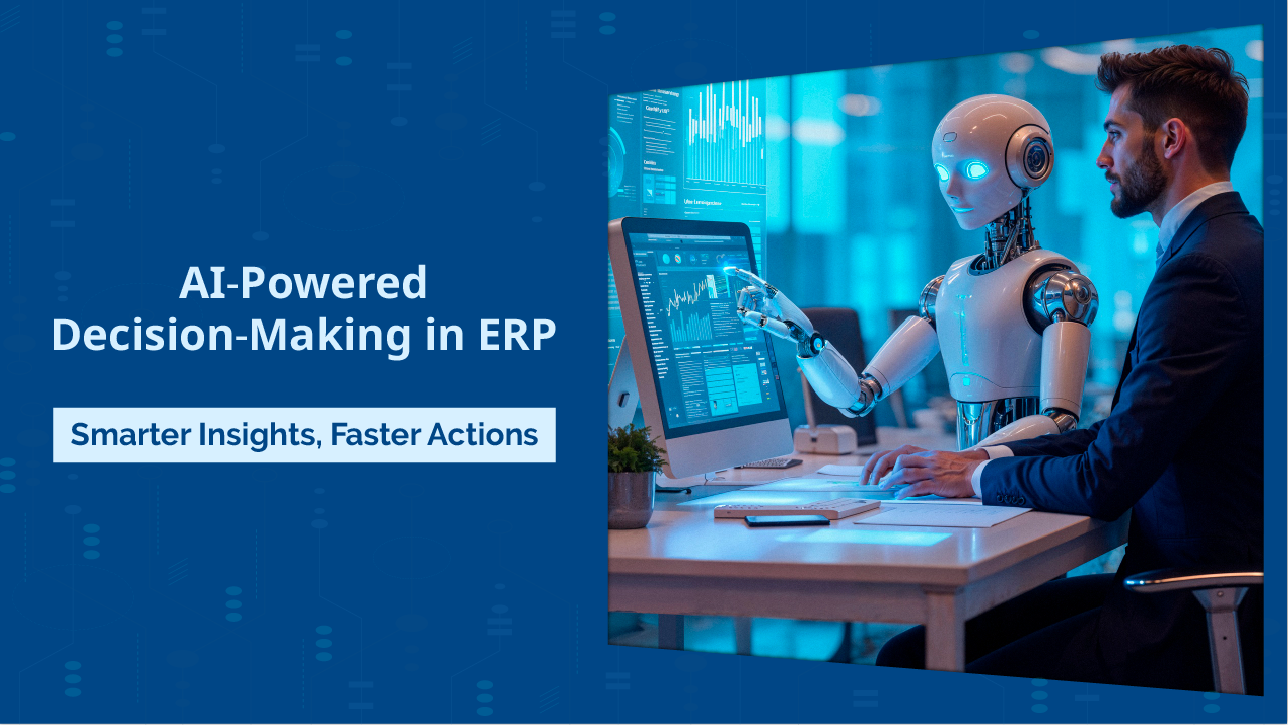
In 2026, Enterprise Resource Planning (ERP) software has evolved far beyond traditional data management systems. With the integration of Artificial Intelligence (AI), modern ERP platforms are transforming how organizations analyze information, predict outcomes, and make strategic decisions. AI-powered ERP software enables businesses to move from reactive decision-making to proactive and predictive strategies, providing a significant competitive advantage.
Real-Time Data Analysis and Insights
One of the most significant ways AI-enhanced ERP improves decision-making is through real-time data analysis. AI algorithms can process massive volumes of data from multiple departments—finance, supply chain, human resources, and sales—simultaneously. Instead of relying on static reports, decision-makers gain access to dynamic dashboards that highlight trends, anomalies, and performance indicators as they happen. This allows leaders to respond quickly to changes in market demand or operational disruptions.
Predictive Analytics for Smarter Planning
AI-powered ERP systems in 2026 use advanced predictive analytics to forecast future outcomes with greater accuracy. By analyzing historical data, seasonal patterns, and external market factors, these systems can predict sales demand, inventory requirements, cash flow trends, and even workforce needs. As a result, organizations can plan more effectively, reduce risks, and avoid costly overproduction or stock shortages.
Automated Recommendations and Decision Support
Modern AI-driven ERP platforms do not just present data; they actively recommend actions. Using machine learning models, ERP software can suggest optimal pricing strategies, supplier selections, or production schedules based on business goals and constraints. These automated recommendations help executives and managers make informed decisions faster while minimizing human error and bias.
Enhanced Accuracy and Reduced Human Error
Manual data processing often leads to inconsistencies and mistakes that can negatively impact decision-making. AI-powered ERP systems automate data validation, reconciliation, and anomaly detection. By ensuring higher data accuracy and consistency across the organization, decision-makers can trust the insights generated by the system and base their strategies on reliable information.
Personalized and Role-Based Insights
In 2026, AI enables ERP systems to deliver personalized insights tailored to specific roles within an organization. Executives receive high-level strategic summaries, while operational managers gain detailed, actionable insights relevant to their daily responsibilities. This role-based intelligence ensures that every decision-maker has the right information at the right time.
Continuous Learning and Improvement
AI-powered ERP systems continuously learn from new data and past decisions. As the system observes outcomes, it refines its models to improve future predictions and recommendations. This self-improving capability allows organizations to adapt quickly to changing business environments and continuously optimize their decision-making processes.
Conclusion
By 2026, AI-powered ERP software has become an essential tool for data-driven decision-making. Through real-time insights, predictive analytics, automated recommendations, and continuous learning, these advanced systems empower organizations to make faster, smarter, and more confident decisions. As businesses face increasing complexity and competition, AI-driven ERP solutions play a critical role in shaping sustainable growth and long-term success.
