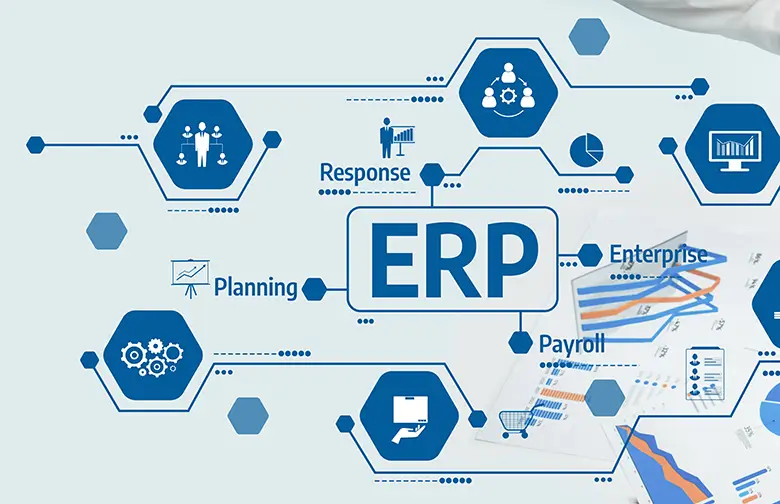
As manufacturing industries continue to embrace digital transformation, Enterprise Resource Planning (ERP) software is playing a critical role in enabling smart manufacturing. By 2026, ERP systems are no longer limited to back-office functions; they have become intelligent platforms that integrate data, automation, and advanced analytics to support highly connected and efficient manufacturing environments.
One of the most important contributions of ERP software to smart manufacturing is real-time data integration. Modern ERP systems seamlessly connect production floors with supply chains, finance, inventory, and human resources. Through integration with Internet of Things (IoT) devices, sensors, and machines, ERP platforms can collect and process real-time operational data. This allows manufacturers to monitor production performance, detect inefficiencies, and respond quickly to changes or disruptions.
ERP software also plays a key role in improving production planning and scheduling. By 2026, AI-powered ERP systems are capable of analyzing historical data, demand forecasts, and machine availability to optimize production schedules automatically. This reduces downtime, minimizes waste, and ensures that resources are used efficiently. As a result, manufacturers can achieve higher productivity while maintaining flexibility in responding to market demands.
Another significant impact of ERP systems in smart manufacturing is predictive maintenance. By integrating machine data and analytics, ERP software can predict equipment failures before they occur. This proactive approach helps manufacturers reduce unexpected downtime, extend the lifespan of machinery, and lower maintenance costs. Predictive maintenance supported by ERP systems contributes directly to improved operational reliability and cost efficiency.
Supply chain visibility is also enhanced through ERP software. Smart manufacturing requires close coordination with suppliers and distributors, and ERP platforms provide end-to-end visibility across the entire supply chain. By 2026, cloud-based ERP systems enable real-time collaboration with partners, improve inventory management, and support just-in-time manufacturing strategies. This transparency helps manufacturers mitigate risks and maintain smooth production flows.
In addition, ERP software supports sustainability and compliance initiatives in smart manufacturing. Modern ERP systems can track energy usage, material consumption, and emissions across production processes. This enables manufacturers to meet environmental regulations, reduce their carbon footprint, and align with global sustainability goals. By 2026, sustainability reporting is increasingly embedded into ERP platforms as a standard feature.
In conclusion, ERP software is a cornerstone of smart manufacturing by 2026. Its ability to integrate real-time data, optimize operations, enable predictive maintenance, enhance supply chain visibility, and support sustainability makes it essential for manufacturers aiming to remain competitive. As technology continues to evolve, ERP systems will remain at the heart of intelligent, connected, and future-ready manufacturing environments.
